
When a “bit of a bend” might be something else
Let’s be honest; most blokes don’t study their anatomy in great detail until something changes. You might notice a bend, a lump, or a curve that wasn’t there before and start wondering, “Is this normal?” The truth is, for most men, a mild curve in the penis is completely normal and nothing to worry about.
In fact, research from Sparling (1997) in the Journal of Sex & Marital Therapy found that around one in ten healthy men had a noticeable curve when erect, usually upward or to one side, and it rarely affected sexual function or satisfaction. This kind of curvature is considered part of normal anatomy. But if the shape starts changing over time, becomes painful, or affects erections, it could be a sign of (the relatively rare) Peyronie’s disease.
What exactly is Peyronie's Disease?
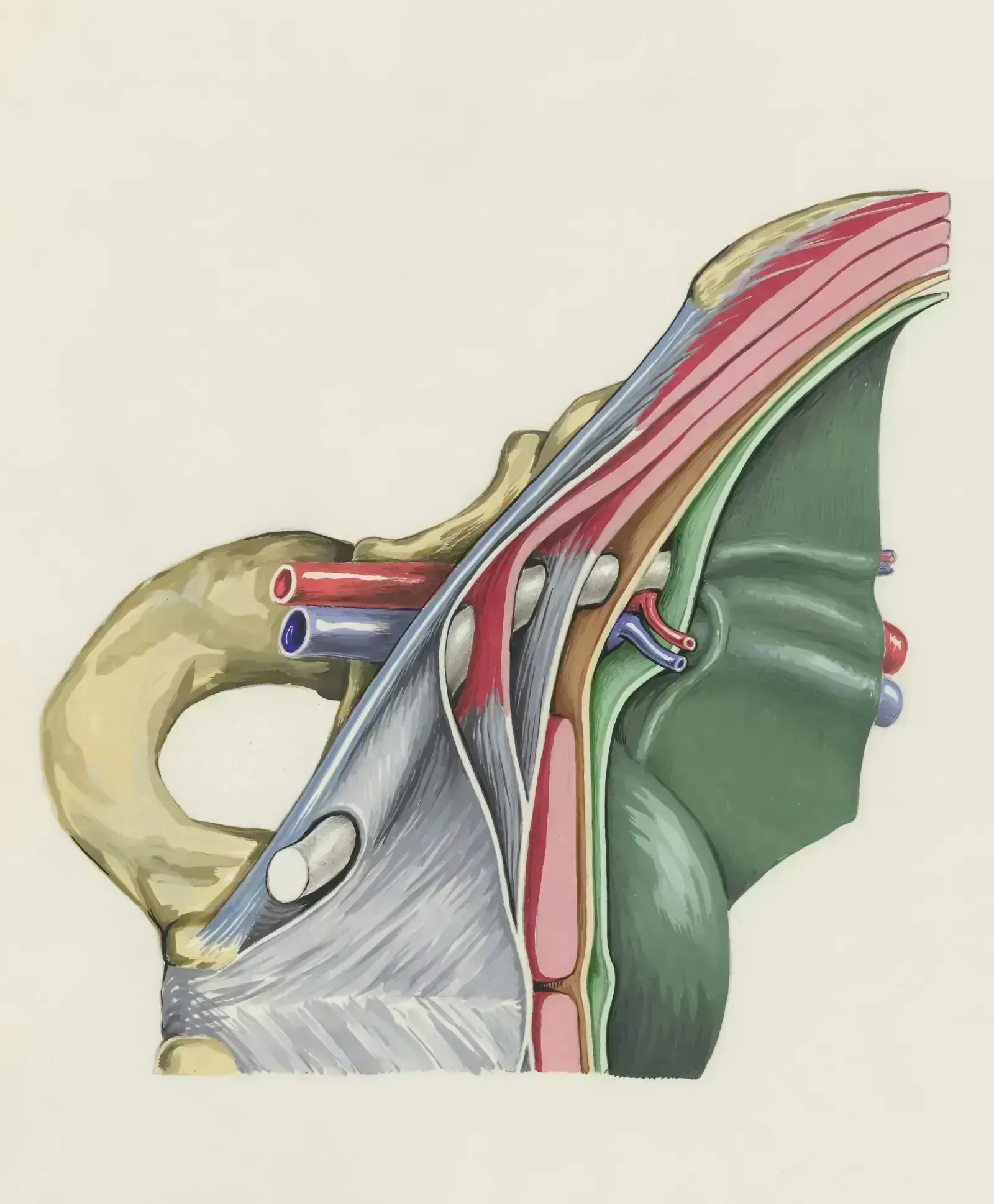
Peyronie’s disease is a condition where scar tissue (called a plaque) forms inside the penis, causing it to bend, shorten, or develop an indentation during erection. It’s named after François Gigot de la Peyronie, the 18th-century French surgeon who first described it.
Unlike normal curvature, Peyronie’s disease develops over time and may cause pain, particularly during erections. The scarring forms in the tunica albuginea, the tough sheath around the erectile chambers, which makes it less elastic and pulls the penis off-centre when it fills with blood.
Studies suggest up to 10% of men experience Peyronie’s disease at some point in their lives. It’s more common after the age of 40, but it can happen in younger men, especially those who are sexually active and otherwise healthy.

What causes it?
The most common theory is that Peyronie’s begins with microtrauma. Vigorous sexual activity, accidental bending during intercourse, or direct impact can cause small tears in the penile tissue. For most men, this heals normally. But for others, the healing process becomes overactive and forms fibrous scar tissue instead of flexible tissue.
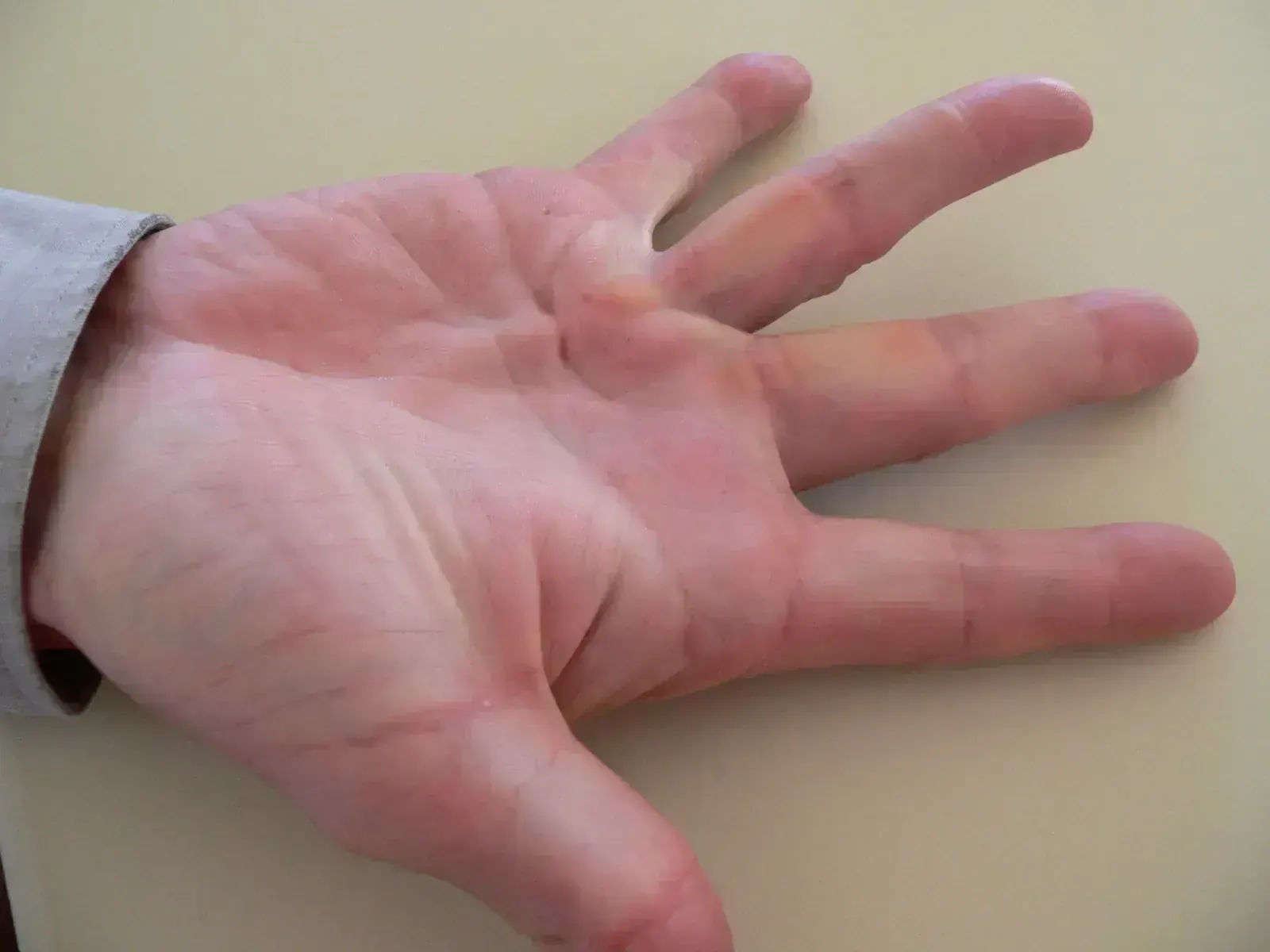
Genetic factors and connective tissue conditions like Dupuytren’s contracture (see below) may increase the risk. It’s not an autoimmune disease, but the immune system’s repair mechanism seems to overreact. Interestingly, some cases arise without any clear injury at all.
How do you know if it’s Peyronie’s or just normal variation?
Normal curvature is stable; it’s been the same since puberty. Peyronie’s is progressive; it changes over weeks or months. You might feel a hard area under the skin, or notice pain when erect. Sometimes the penis looks shorter or has an “hourglass” shape.
The Healthy Male Clinical Summary and RACGP guidelines both stress the importance of a physical exam. A doctor can often feel the fibrous plaque. If needed, an ultrasound can confirm its size and position.
Peyronie’s disease has two stages:
Active (acute) phase: Painful erections and increasing curvature.
Stable (chronic) phase: Pain settles, but the curvature remains.
Can it affect erections?
Yes, Peyronie’s can reduce blood flow and cause erectile dysfunction, especially when the plaque limits elasticity or causes anxiety about performance. Many men avoid intimacy, fearing embarrassment or pain. As someone who has worked in emergency medicine, psychiatry, and occupational health, I’ve seen how physical symptoms can quickly spiral into mental distress, relationship strain, and low self-confidence.
It’s important to remember that you’re not alone and that help exists. Early intervention makes a big difference, both medically and psychologically.

Treatment and management options
Treatment depends on how long you’ve had symptoms and how severe they are.
Medication: In some cases, oral or injectable medications like collagenase may help soften the plaque.
PDE5 inhibitors (Viagra, Cialis, etc.): These are not contraindicated and can safely be used to support erectile function.
Traction devices and shockwave therapy: May reduce curvature or improve flexibility during early stages.
Surgery: Reserved for stable cases with significant deformity.
Lifestyle factors matter too. Avoid smoking, manage blood pressure and cholesterol, and address mental health. A small amount of curvature doesn’t mean something’s broken; it means your body is asking for attention.
Mind and body are both part of recovery
In my work across emergency departments and in work injury clinics I’ve learned that the physical issue is often just one piece of the puzzle. Men dealing with Peyronie’s may also face anxiety, frustration, or shame. Psychological support, communication with partners, and honest medical advice can all help restore confidence.
“You have power over your mind, not outside events. Realise this, and you will find strength.”
- Marcus Aurelius
Your health journey isn’t defined by one challenge; it’s shaped by how you respond to it.

When to see your GP
If you’ve noticed a new bend, lump, or pain that doesn’t resolve within a few days or a week or so, it’s definitely worth getting checked. Critical if i's testicles (rule out cancer). You absolutely have to get that checked out pretty quickly. A quick chat with your GP or a referral to a urologist can clarify what’s going on. Don’t wait until things become more complicated.
Visit the other blogs for more information and please follow along on socials to spread the word 👇.
Cheers,
Dr. James.
#PeyroniesDisease #MensHealthAustralia #ErectileDysfunction #SexualHealth #HealthyMale #MensMentalHealth #MensWellbeing #HolisticHealth #AustralianGP #DrJamesAU
Sparling, J. (1997). Penile erections: Shape, angle, and length. Journal of Sex & Marital Therapy, 23(3), 195–207. https://doi.org/10.1080/00926239708403924
Disclaimer
The information on this website, including all blog articles, videos and social media posts, is provided for general informational and educational purposes only. It is not medical advice and is not a substitute for consultation with a qualified healthcare professional.
While every effort has been made to ensure the information is accurate and based on current evidence, individual circumstances vary. Always seek personalised medical advice from your own doctor or qualified health professional before acting on any information contained on this site.
Nothing on this website establishes a doctor-patient relationship with Dr James Condon. Any examples, discussions, or references to medications, supplements or procedures are for general understanding only and should not be interpreted as specific treatment recommendations.
If you have symptoms of a medical condition, or if your condition is worsening, please consult your GP or attend an emergency department if required.
Dr James Condon is an Australian-registered medical practitioner. All content reflects his own, clinical experience, interpretation of current research, and professional opinion at the time of publication and not those of any contracting organisations.
Use of this site implies that you have read, understood and agreed to the Terms of Service and Privacy Policy available below 👇



0 comments