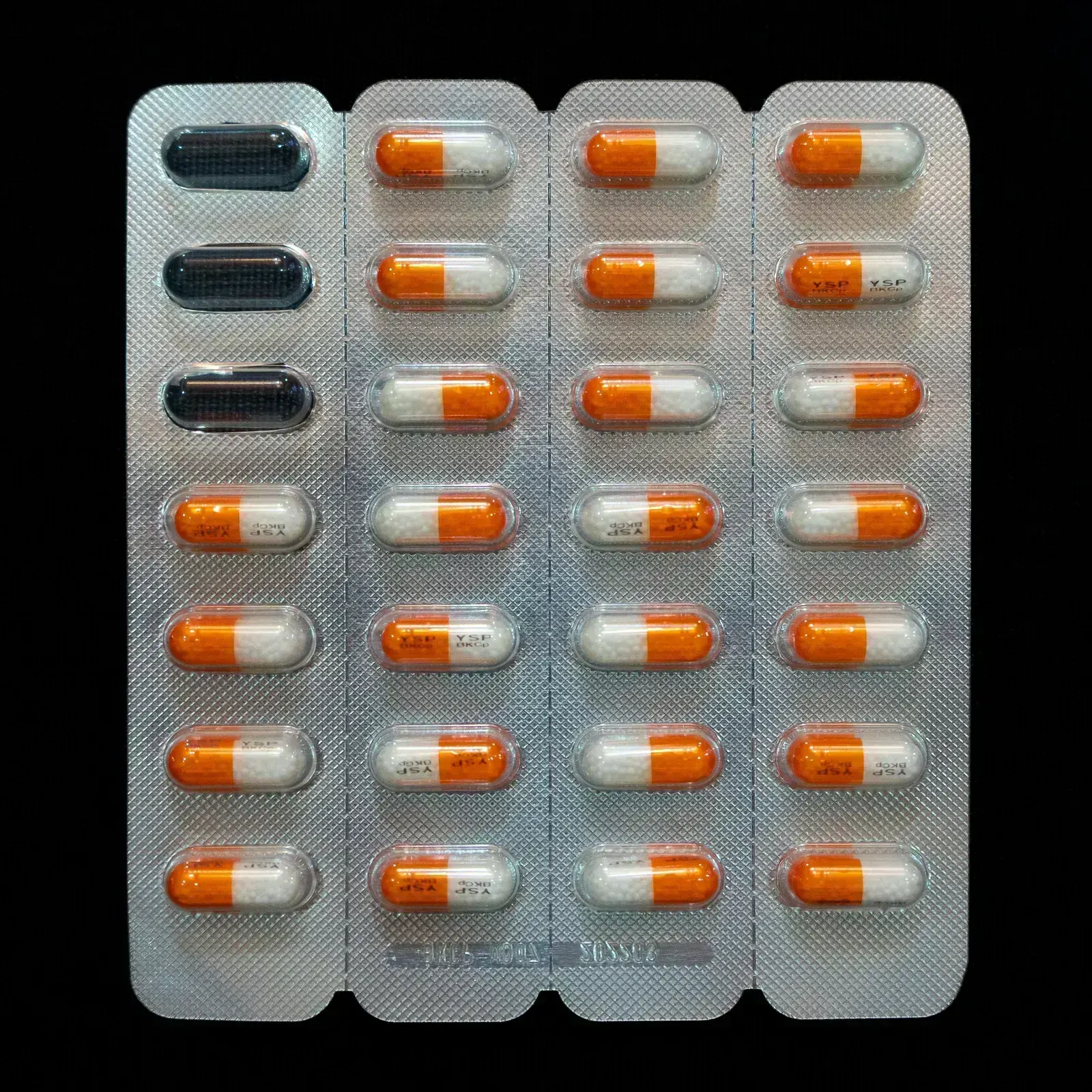
Sexual health is something most blokes would rather not chat about, especially when things aren’t working the way they should. But here’s the truth: heaps of everyday medications can mess with your sex life. Antidepressants, blood pressure tablets, and even painkillers can quietly contribute to erectile dysfunction (ED), problems with orgasms or lower your desire.
Why meds can muck things up
Many medications can contribute to erectile dysfunction (ED) by interfering with the complex processes that allow an erection to occur. These relate to blood flow, nerve signals, and hormonal balance. Drugs such as selective serotonin reuptake inhibitors (SSRIs), beta-blockers, diuretics, antipsychotics, and some hormonal treatments can disrupt one or more of these pathways. For instance, SSRIs alter serotonin levels in the brain, which can dampen sexual desire and inhibit the nerve signals that trigger an erection and orgasm. Blood pressure medications may lower penile blood flow by relaxing or narrowing blood vessels elsewhere in the body. Others, like anti-androgens or certain chemotherapy agents, may reduce testosterone or damage vascular and neural tissue directly. In most cases, the effect is reversible once the medication is changed or stopped under medical supervision.
Before jumping straight to stuff like Sildenafil or Tadalafil, consider with your GP whether any current meds are the hidden culprit or contributer. You might still benefit from these tablets but sometimes I'm telling blokes that, actually they need to sort their diabetes out first, or come off the long-term, strong pain-killers.
Common culprits
SSRIs and SNRIs (antidepressants): can reduce libido, contribute to ED and delay orgasm.
Beta-blockers and diuretics (blood pressure tablets) may interfere with erections.
Antipsychotics: often affect hormones and sex drive.
Anti-androgens or hormone blockers: used in some prostate conditions, directly reduce testosterone.
Opioids: long-term use can tank testosterone levels and affect erections.
But don't get me wrong sometimes or often the benefits of these medications trump the side effects. For example for some blokes, a little knock to the libido is worth the benefits of antipsychotics - staying out of hospital and not being paranoid that the CIA are after them! An antidepressant may have some short or medium-term effects like not being able to orgasm, but being super depressed:
a) also effects your sex-life
b) tends to shoot your libido and
c) being stuck on the couch, crying is not the sexiest vibe around (but hey, to each, their own).
Same for tablets for blood pressure - would you rather have a bit of temporary performance issues or a stroke or heart attack that lands you in intensive care for months?
Medication-related ED is not rare, and for many men, changing the dose or switching meds under medical supervision can help. The point is, you may need a bit of tinkering with doses, active ingredients, maybe even brands of medicines and a candid chat with your GP about what the goals are in the bedroom (or elsewhere 🫨).

Why this matters for Aussie men
It’s not just about sex. ED is often an early warning sign of bigger health issues like heart disease or diabetes. Ignoring it is a bit like ignoring that flashing engine light on your ute.
From my own work across emergency medicine, mental health, injury management, and now as a GP registrar, I’ve seen the impact this has on blokes’ wellbeing. Too many men either don’t bring it up with their GP, or they’ve had a bad first experience and never go back.
But here’s the kicker: most of the time, we can do something about it. Whether that’s adjusting your meds, tackling mental health, or trialling treatment like Sildenafil or Tadalafil, there are options.
For example, for some men with high blood pressure and ED and or a large prostate and ED, tadalafil may kill all those birds with one stone, (aside good diet, exercise, not smoking drinking etc.) but you need proper, personalised advice.

A holistic way forward
Sexual health is never just about one tablet. It’s about the whole bloke.
Mental health: Anxiety and depression can both cause and result from ED. Tackling this head-on and consistently is key.
Physical health: Blood pressure, diabetes, obesity, and heart disease are often tied in.
Lifestyle: Exercise, sleep, and cutting back on alcohol or smokes can make a massive difference.
Medications: Reviewing your current meds with your GP is essential.
A large Australian study found that more than 60% of men over 45 reported some level of ED. Yet many never mentioned it to their GP. That’s wasted opportunity for better health and better sex.

If you’re dealing with ED and you’re on antidepressants or other long-term meds, don’t tough it out. Bring it up with your GP. Be upfront. You might be surprised how simple the fix can be.
If you found this helpful, give me a follow on Instagram, TikTok, or Facebook. I’m building a community where Aussie men can have real conversations about health.
Disclaimer
This article is for information only and is not personalised medical advice. Always chat with your GP before making any changes to your medication or health routine.
#MensHealth #ErectileDysfunction #SSRIs #AustralianMen #MentalHealthMatters #SexualHealth #HealthyLifestyle #GPAdvice




0 comments