Let's talk about something that a lot of men are quietly searching for answers on. If you have ever found yourself wondering whether your porn habits might be affecting your performance in the bedroom, you are far from alone. It is one of the most common concerns I encounter, and one of the most misunderstood.
Photo by Sayo Garcia on Unsplash
As a doctor working in General Practice, I have seen firsthand how sexual health issues ripple back and forth through every domain of a man's life; his confidence, his relationships, his work performance and his mental health. So let's look at what the evidence on porn and erectile dysfunction (ED), actually says. But, keep in mind, scientific and medical evidence often takes years or decades to catch up to habits or lifestyles that change quickly, or are not often researched.

Photo by Milad Fakurian (@fakuriandesign on Instagram) on Unsplash
The Headline Claim: Does Porn Cause Erectile Dysfunction?
Photo by Doğukan Şahin on Unsplash
However, high-quality longitudinal studies proving a direct causal link between pornography consumption and ED remain limited (currently, they may appear in the future but we don't have a crystal ball). A 2021 systematic review published in Sexual Medicine found that while some studies showed an association, others found no significant relationship, and several even reported that moderate pornography use was linked with higher sexual desire.

Photo by Vitaly Gariev (@vitalygariev on Instagram) on Unsplash
Performance anxiety, depression, stress and relationship conflict are well-established contributors to ED, and they are far more common than most men realise. I have seen countless men whose erectile difficulties were rooted in mental health challenges (including performance anxiety and medication side effects) rather than any organic cause.

Photo by Merakist (@barni.rajah on Instagram) on Unsplash
Lifestyle Matters Profoundly

Photo by Emily Underworld (@emilyunderworld on Instagram) on Unsplash
Cardiovascular health is penile health. Smoking, excessive alcohol, poor sleep, sedentary behaviour and metabolic syndrome are major, evidence-backed risk factors for ED. If you are a high-performing professional spending long hours at a desk, this is especially relevant.
ED is almost always multifactorial. Hormonal status, medications, cardiovascular fitness, psychological wellbeing, relationship dynamics and yes, possibly pornography habits, can all play a role. Common sense should prevail, and I tend to want to apply the “every day is not ok rule”. I'm not sure to judge, but if your consuming porn daily AND have ED that's persisting despite a good workup, then having a break could make a big difference. But our nervous system grows and responds to changes pretty slowly, like, minimum 6 weeks, if not several months or more. The best outcomes come from a holistic assessment rather than chasing a single culprit.
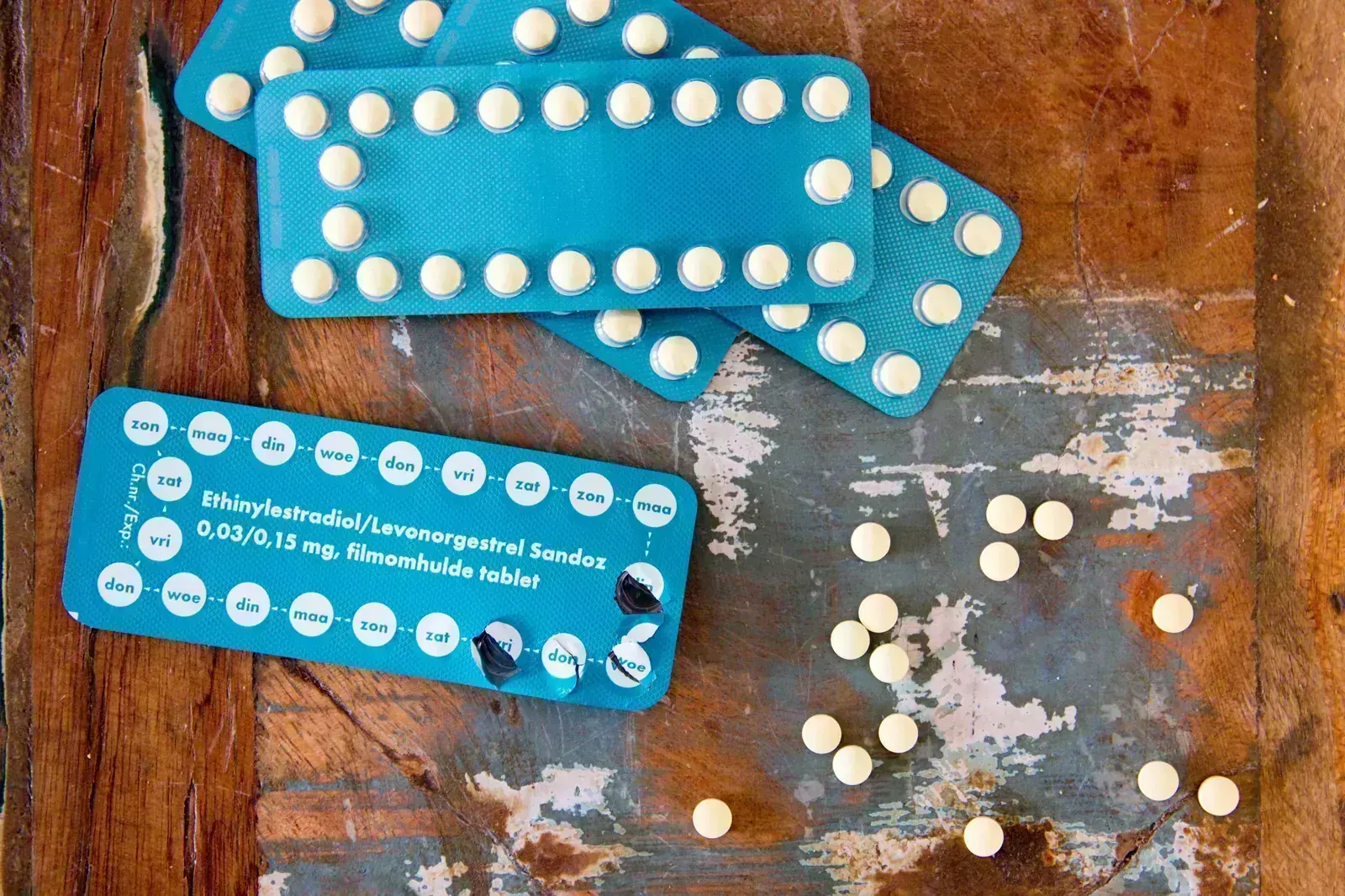
Photo by Simone van der Koelen (@foodquotesnl on Instagram) on Unsplash
While extraordinary claims require extraordinary evidence. Although, it's not such an extraordinary claim that if you're saturating your brain and downstairs department with frequent, high-intensity, highly stimulating sexual content, real-life may struggle to compete.
If you are resorting to something that's easy to access, for kicks, to perk up your mood or give you a quick dopamine hit, AND that is causing problems with other parts of your life, including IRL relationships - then we are in addiction territory.
If you haven't heard about it before, there was a famous addiction study. (Bro, I know you're not a rat, but whether you like it or not, we ARE still animals, biologically)
In the late 70s, Canadian psychologist Bruce Alexander ran a series of experiments at Simon Fraser University comparing rats housed in empty, isolated cages vs rats housed in “Rat Wonderland” / amusement park with sawdust, climbing structures and company of other rat-mates. Both groups could chosse between plain water, or water spiked with sweet, sweet morphine. The isolated, bored rats got quickly hooked and became morphine-slaves / junkies, while the Rat Disneyland rats mostly avoided it, prefering regular water. The findings challenge a pure pharmacological model of addiction, telling us about why we get addicted to bad stuff in the first place - consider getting more enrichment in your own ‘enclosure’ - (sun, gym, friends, exercise, play, creativity etc.)
And remember that before attributing your difficulties to any single cause, a thorough evaluation is essential.
We lack large-scale, well-controlled Australian studies specifically examining pornography's impact on erectile function across different age groups and demographics. Most existing research relies on self-reported data, which is inherently limited by recall bias and social desirability. We also do not yet fully understand individual variability; why some men who consume pornography frequently have no sexual difficulties, while others report significant problems.

Photo by Finn (@fi_stay_gold_nn on Instagram) on Unsplash
If you have seen a GP or specialist about ED and walked away feeling unheard or handed a script without a proper conversation, I understand your frustration. Too often, the consultation is rushed, the psychological component is ignored, or lifestyle factors are glossed over entirely. ED deserves a comprehensive, respectful and genuinely holistic approach.

Photo by Elin Tabitha (@elintabitha on Instagram) on Unsplash
- Get a proper assessment. Blood work, cardiovascular screening, mental health evaluation and an honest conversation about lifestyle and habits.
- Address the foundations. Sleep, exercise, nutrition, stress management and relationship health are not optional extras; they are the bedrock.
- Be honest about your habits. If you suspect pornography is playing a role, track your usage and notice patterns. A non-judgmental clinical conversation can help you figure out what is actually going on.
- Prioritise your mental health. Anxiety and depression are treatable, and treating them often resolves ED without any other intervention.
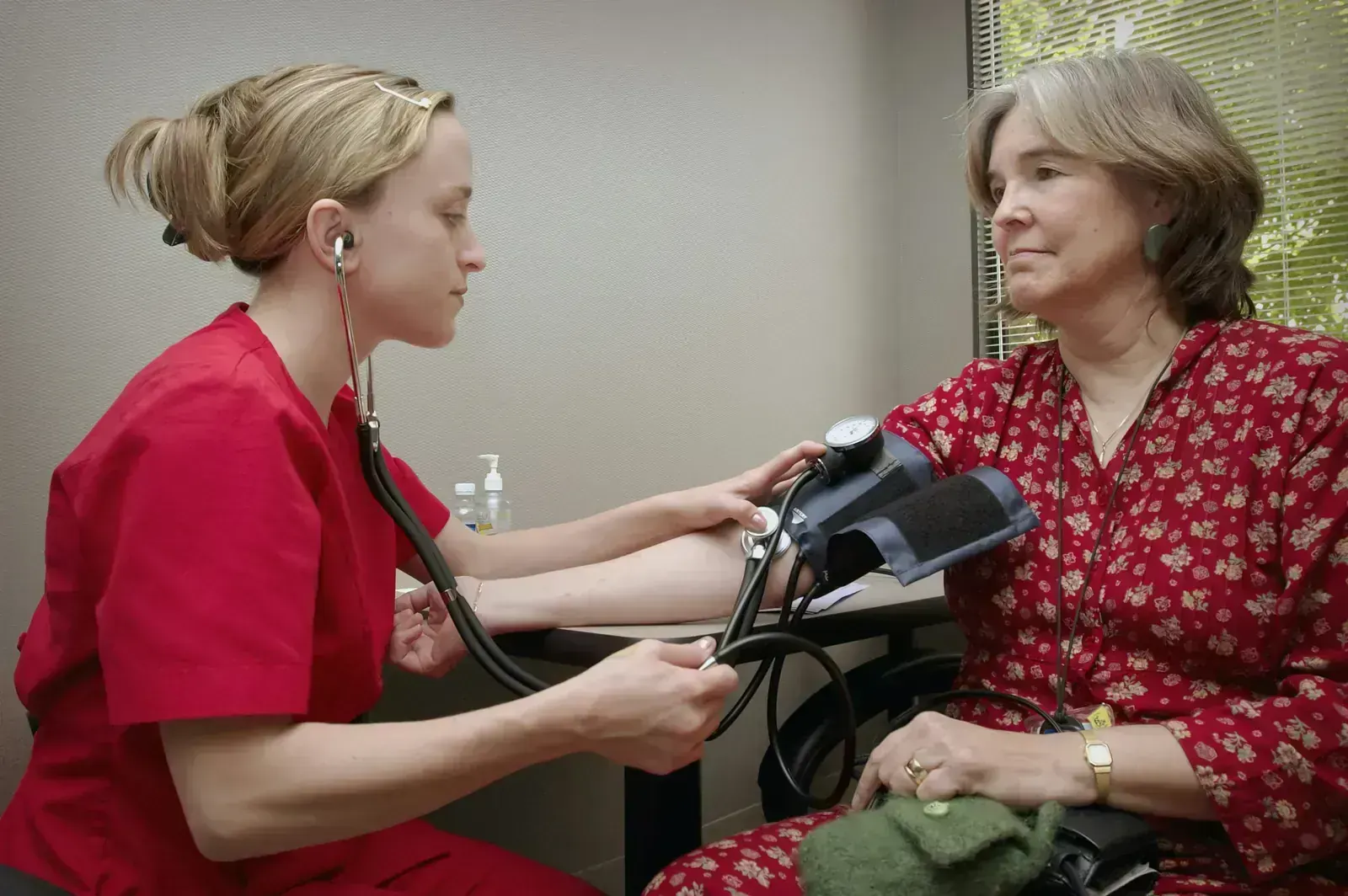
Photo by CDC (CDC on Portfolio) on Unsplash
Find me, like me and follow me on Instagram, TikTok and Facebook for more straight-talking, evidence-based health content designed for men who take their wellbeing seriously.
Photo by Mariia Shalabaieva (@maria.berz on Instagram) on Unsplash
References
Alexander, BK Coambs R.B & Hadaway, Psychopharmacology, 1978 “the effect of housing and gender on morphine self-administration in rats”
Dwulit, A.D. and Rzymski, P. (2019) 'The potential associations of pornography use with sexual dysfunctions: an integrative literature review of observational studies', Journal of Clinical Medicine, 8(7), 914. Available at: https://doi.org/10.3390/jcm8070914